
We diagnose and treat health concerns caused by underdeveloped jaws.

ALLERGIES & ASTHMA
Seasonal allergies are often considered to be a normal part of life that can only be treated with a daily pill, shots, or nose spray. Many times, though, seasonal allergies are a result of improper breathing. Proper breathing is through the nose, which filters and humidifies the air you are breathing in. This filtration process protects your respiratory system, decreasing and preventing airway and lung inflammation, ultimately decreasing the incidents of allergies.
Asthma is another symptom of poor nasal breathing. Both adults and children experience asthma, or a form of exercise-induced asthma. Without the filtered air through the nose, the lungs become inflamed which makes breathing difficult, and often results in the diagnosis of asthma.
BEDWETTING
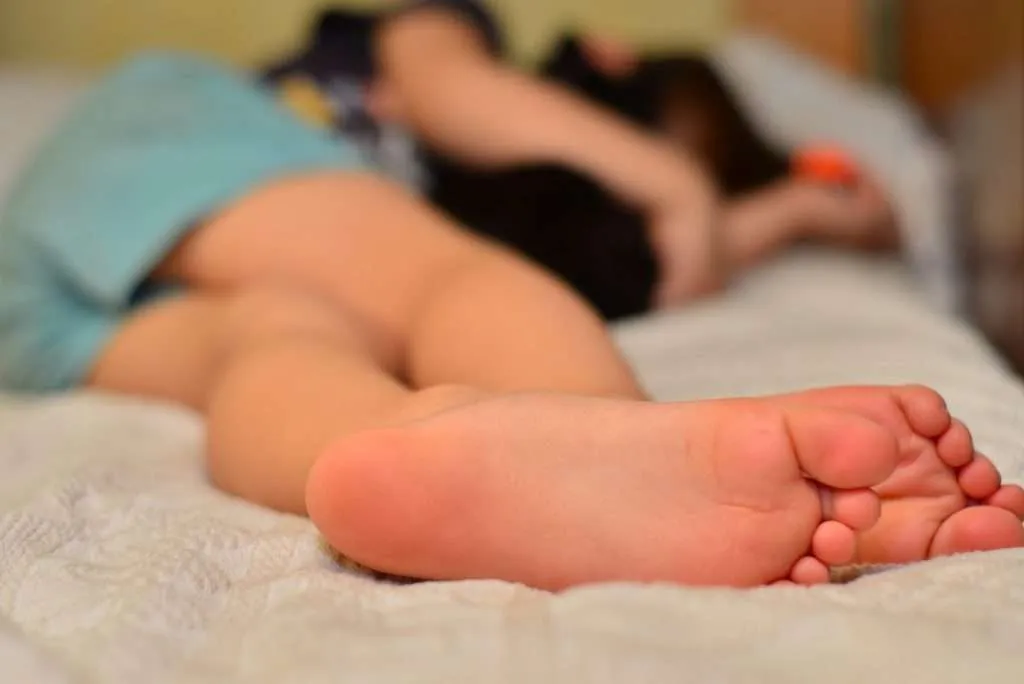
For the first few years of childhood, bedwetting can be a normal and common occurrence. But, what if it continues beyond that? If the problem persists after about age 6, it could be caused by sleep disordered breathing.
Sleep-disordered breathing makes it harder for a child to achieve deep sleep. During deep sleep, the body produces a hormone that decreases bladder production. If this hormone isn’t produced the body continues to produce urine, making the need to urinate greater and may result in bedwetting.

CROOKED OR CROWDED TEETH
The most common treatment for crowded and crooked teeth is realignment devices, such as braces or clear alignment trays. However, sometimes the issue goes beyond the teeth and is actually the result of underdeveloped jaws.
When the jaws are not fully developed, there is generally insufficient space for all 32 adult teeth, causing the teeth to crowd and become misaligned. It is common practice to remove the wisdom teeth and sometimes the bicuspids to make room for the remaining teeth. The orthodontic devices then align the teeth, typically pushing them back towards the airway.

HYPERACTIVITY
Your child’s hyperactivity and inability to focus might be a direct result of their lack of quality sleep. Contrary to what parents think a tired child’s behavior would be: lethargic and a lack of energy, they actually become hyper when they are very tired.
When a child does not have restful, deep sleep every night, it begins to accumulate, and the hyperactive behavior often becomes a regular behavior.

HYPERTENSION
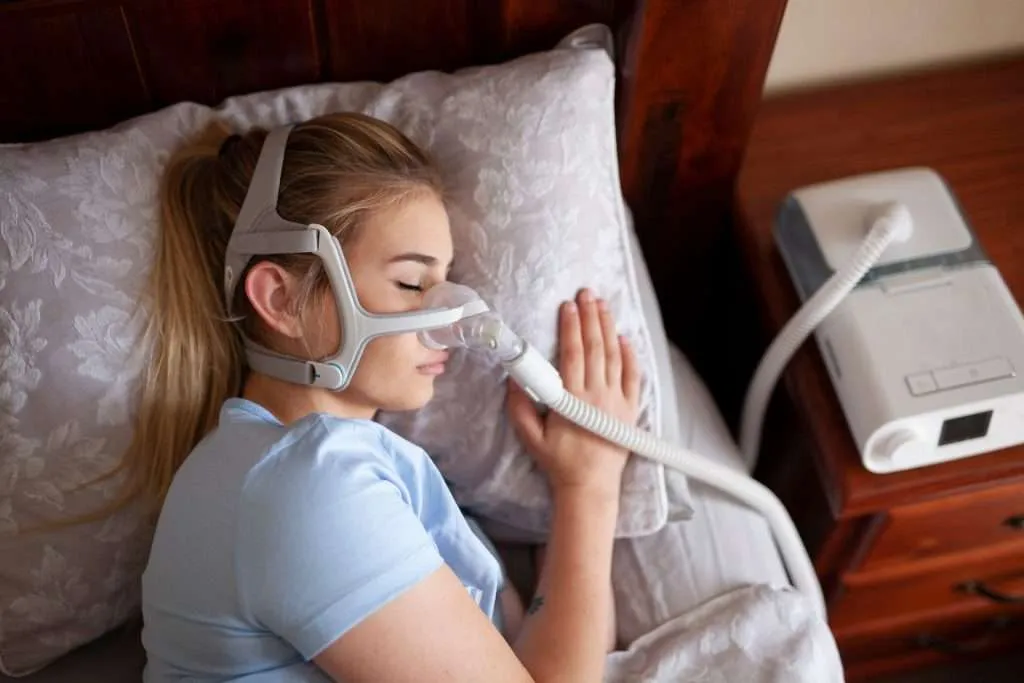
Sleep apnea is caused by an obstructed airway which causes you to stop breathing while sleeping. In response, your brain tells your body to wake up so you will start breathing again. Most people who suffer from sleep apnea experience several apneic episodes per hour throughout the night, causing you to wake frequently and prevents adequate rest and reboot.
SLEEP APNEA
WEIGHT GAIN & RETENTION
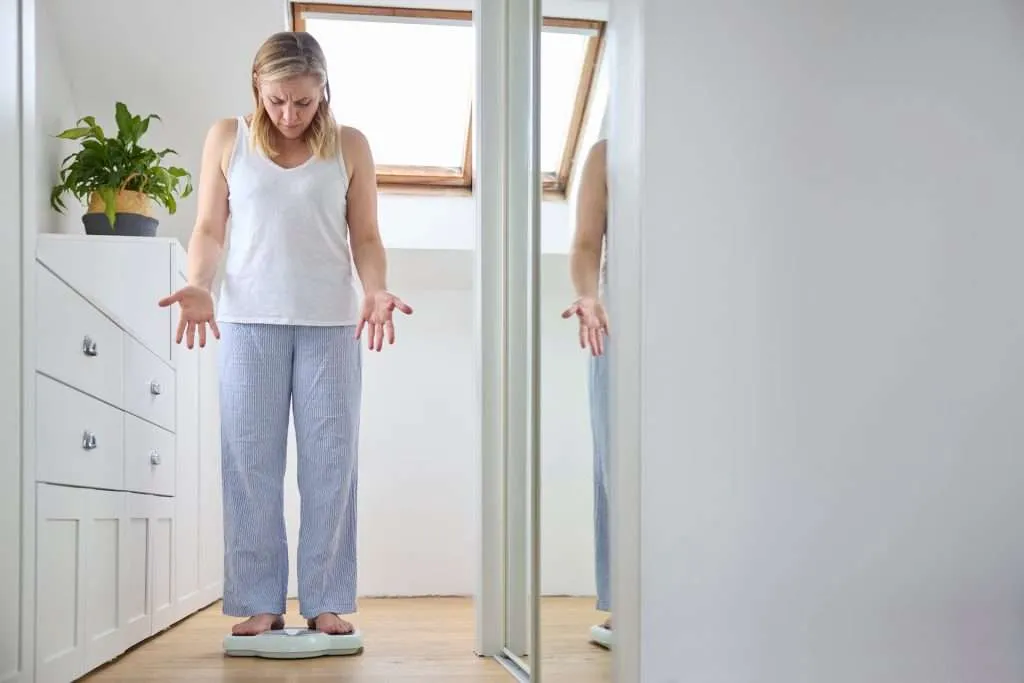
Sleep apnea and the lack of restful sleep have a direct link to weight gain, obesity and the inability to lose weight.
When your body does not receive the rest it needs, it increases the production of Ghrelin, which is the hormone that makes you feel hungry. Your body also produces less Leptin, which is the hormone that makes you feel satiated. So your hormones are telling your body it is hungry and never satiated, causing you to eat more than you might typically eat.